

Let’s cut through the noise: the iGaming world isn’t just neon lights and jackpot dreams. It’s a multi-billion-dollar industry built on mathematics, psychology, and—if you’re smart—a bit of discipline. Whether you’re spinning slots at 2 a.m., grinding micro-stakes poker, or trying to beat the closing line on a football match, the fundamentals matter more than the flashy bonuses. This isn’t a get-rich-quick sermon. It’s a grounded look at how casino games, poker, and sports betting actually work—and how to enjoy them without becoming a cautionary tale.
Slots are the rock stars of the casino floor, but they’re also the most misunderstood. Modern video slots aren’t random—they’re governed by a Random Number Generator (RNG) that cycles through thousands of outcomes per second. The key number you need to know is Return to Player (RTP). A slot with 96% RTP pays back $96 for every $100 wagered over millions of spins. That sounds decent, but remember: the house edge is the other 4%, and volatility determines how bumpy the ride gets.
High-volatility slots (like Book of Dead or Bonanza) can go hundreds of spins without a meaningful win, then hit a massive payout. Low-volatility slots (think Starburst or Blood Suckers) pay smaller amounts more frequently. Neither is “better”—it’s about matching your bankroll and patience. A $50 bankroll on a high-volatility slot is a recipe for a quick, frustrating session. On a low-volatility game with 20-cent spins, you might last an hour or more.
Here’s a concrete tip: always check the RTP in the game’s help screen. Many popular slots online are set to 94–95%, but some (especially branded titles) drop to 92%. Over time, that 2% difference is huge. Also, ignore “due for a win” thinking—each spin is independent. The RNG doesn’t remember your last 50 losses.
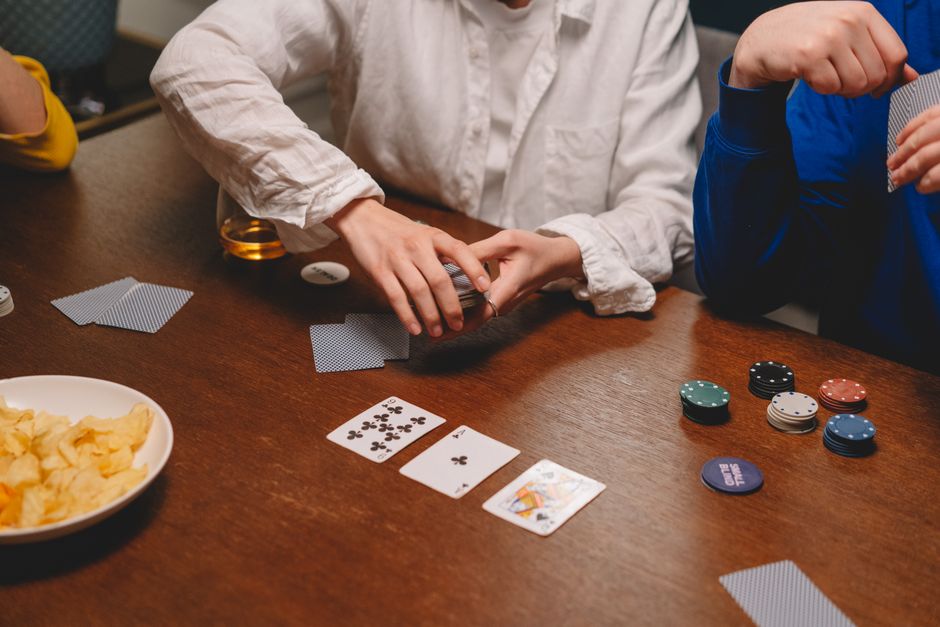
Poker is the only major iGaming vertical where long-term winners exist. Not because they’re lucky, but because they exploit opponents’ mistakes. In Texas Hold’em, the top 10% of players consistently profit, while the bottom 70% lose. The gap comes down to three things: position, pot odds, and emotional control.
Position is everything. Acting last gives you information. On the button, you can play a wider range of hands because you see what everyone does before you. Under the gun? Tighten up—fold marginal hands like KJo or A9o. Beginners lose most of their money by playing too many hands out of position.
Pot odds are simple math. If the pot is $100 and your opponent bets $20, you’re getting 6-to-1. If your draw has better than 1-in-7 chance of hitting, call. Otherwise, fold. Most micro-stakes players ignore this and chase gutshots with terrible odds. Don’t be that player.
Emotional control is the silent killer. Tilt—playing angry after a bad beat—costs more than any leak. If you lose three buy-ins in 20 minutes, log off. The tables will still be there tomorrow.
Sports betting is not about picking winners. It’s about finding value against the closing line. Bookmakers set odds to balance action, not to predict outcomes perfectly. That’s why you’ll see a team at -110 on Monday and -125 by Friday. The “sharp” money moves lines.
If you want to win long-term, you must bet early or bet against public opinion. For example, NFL favorites cover the spread about 50% of the time—no edge. But underdogs in low-scoring college basketball games? Historically, they cover at 52–53%. That 2% edge, compounded over 500 bets, is the difference between profit and poverty. If you want to dig deeper, chơi rikvip is worth a look.
Another concrete tip: avoid parlays. A three-team parlay with each leg at -110 has a true probability of about 12.5%, but the payout is 6-to-1 (implied probability 14.3%). The house edge jumps from 4.5% on a single bet to over 12%. Same with teasers and prop bets with inflated odds. Stick to straight bets or small round robins.
Also, track your bets. Not with a mental note—use a spreadsheet. Strike rate, average odds, and ROI by sport. You’ll quickly see which leagues you actually understand. Most bettors lose on the NBA because they overestimate their knowledge of rotations and rest days.
Casinos and sportsbooks aren’t charities. They offer welcome bonuses because the math works in their favor. That 100% match up to $500 with a 35x wagering requirement? You’ll need to bet $17,500 before withdrawing a cent. On a 96% RTP slot, the expected loss is $700. So the “free” $500 actually costs you $200 on average. Not free.
That doesn’t mean bonuses are useless. If you were going to gamble anyway, a bonus extends playtime. But never chase a bonus you can’t clear with low volatility and a realistic bankroll. And always read the terms: game weighting (slots count 100%, but blackjack might count 10%), max bet limits (usually $5), and expiration dates.
RTP also varies by jurisdiction. A slot might be 96% in the UK but 94% in Malta or 92% in some US states. When you play online, check the .com site’s terms—they’ll often list RTP by region. If you’re in a regulated market like New Jersey or Pennsylvania, operators must display it. Use that data.
The most successful iGaming participants—whether casual or semi-pro—treat it as entertainment, not income. They set deposit limits before they play. They use session timers. They never gamble to chase losses. And they know that variance cuts both ways: the same player who hits a 1,000x win can lose 20 buy-ins in a week.
If you feel a compulsion—checking odds at 3 a.m., lying about losses, borrowing money to bet—stop. Every regulated operator offers self-exclusion and reality checks. Use them. The house edge is relentless; your only edge is discipline.
Slots, poker, and betting are not one big game. They’re different ecosystems with different math. Slots are pure chance; poker is skill versus variance; betting is market efficiency. What they share is a simple truth: the casino always has an edge unless you bring your own. For slots and betting, that means finding better-than-average RTP or line value. For poker, it means studying and exploiting weaker players. For all three, it means managing your money like it’s the last bankroll you’ll ever have. That’s not hype. That’s how you actually survive the iGaming grind.

Maple Rush shares practical, down-to-earth guidance on autumn travel and seasonal outdoor living for readers across the UK.


Leave A Comment